

Hey there! As a supplier of facial mask bottles, I've seen it all when it comes to filling these little guys up. And let me tell you, finding the best way to fill a facial mask bottle can make a huge difference in the quality of your product and the efficiency of your production process. So, in this blog post, I'm gonna share with you what I think is the best way to fill a facial mask bottle.
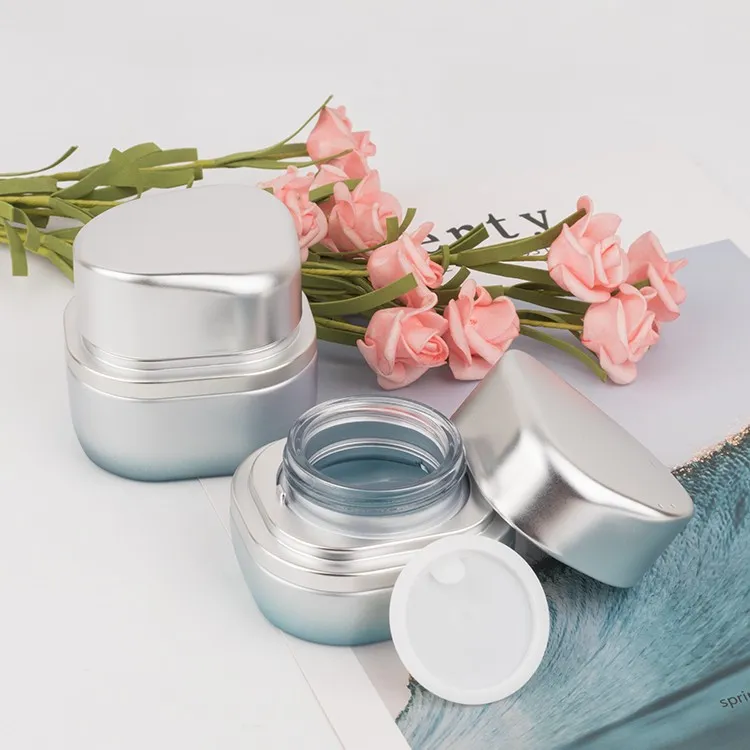
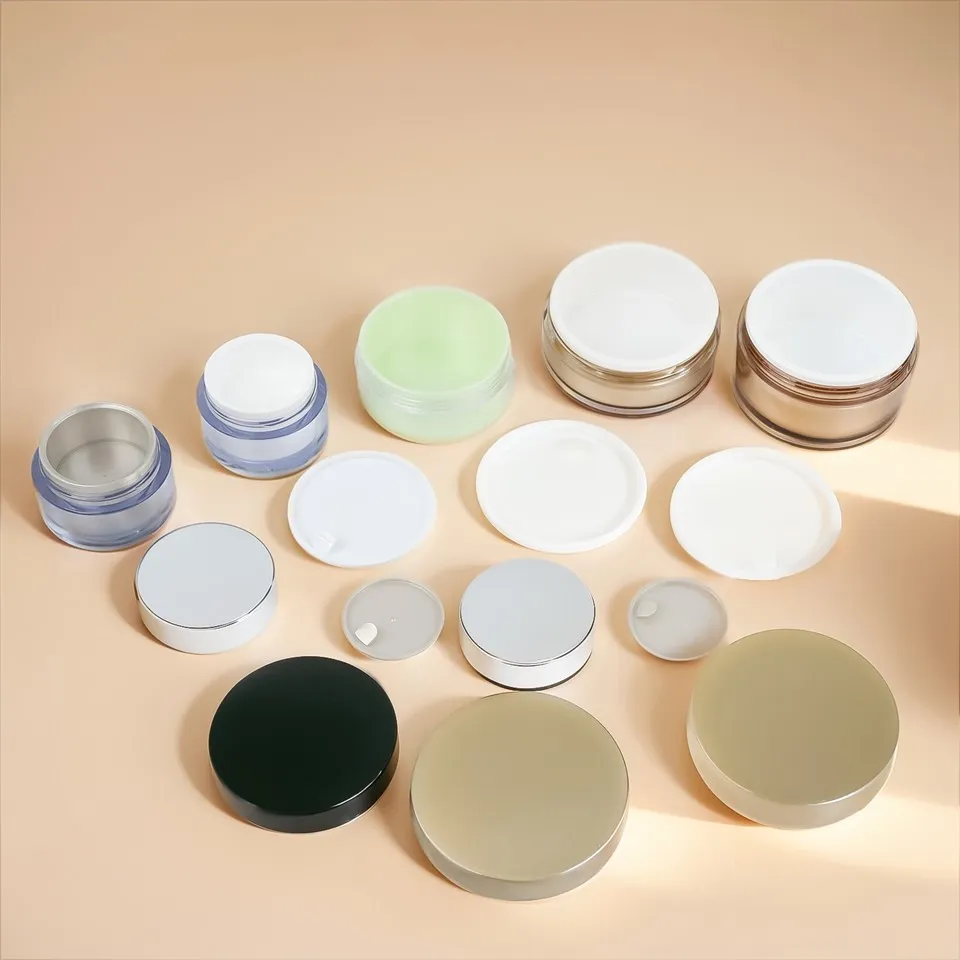
First things first, let's talk about the types of facial mask bottles out there. We've got different materials like plastic, glass, and even some fancy Amber Glass Cosmetic Jars that look super cool and can protect the product from light. There are also Aluminium Cosmetic Containers which are lightweight and have good durability. And don't forget about the Loose Powder Glass Container if you're dealing with powder-based masks. Each type has its own characteristics, and the filling method might vary a bit depending on the material and design.
When it comes to the actual filling process, the best way starts with preparation. You need to make sure your facial mask formula is ready. This means it should be well - mixed. If it's a liquid mask, check for any clumps or unevenness. You can use a mixer or a stirrer to ensure a smooth consistency. For powder masks, make sure the powder is evenly distributed and free from lumps.
Next, clean your bottles thoroughly. Even if they come brand new, there might be some dust or debris from the manufacturing process. You can use a mild detergent and warm water to wash them, then rinse them well and let them dry completely. This step is crucial because any dirt or residue in the bottle can contaminate your facial mask and affect its quality.
Now, let's talk about the filling techniques. For liquid facial masks, one of the best ways is to use a filling machine. There are different types of filling machines available, like piston fillers and peristaltic fillers. A piston filler works by using a piston to draw in a specific amount of liquid and then dispense it into the bottle. It's great for accurate filling, especially if you need to fill a large number of bottles with the same volume. A peristaltic filler, on the other hand, uses a rotating pump to squeeze the liquid through a tube and into the bottle. It's more gentle on the product, which is important if your facial mask contains delicate ingredients.
If you're a small - scale producer or just doing some test runs, you can also use a funnel. A funnel can be a simple and cost - effective way to fill your bottles. Just pour the liquid mask into the funnel slowly, and make sure it goes smoothly into the bottle. But be careful not to overfill, as this can cause spills and make a mess.
For powder facial masks, you can use a powder filling machine. These machines are designed to measure and dispense the right amount of powder into each bottle. They usually have a hopper where you pour the powder, and then a mechanism that fills the bottles accurately. If you don't have a powder filling machine, you can use a scoop. Measure the powder with a scoop and carefully pour it into the bottle. Try to level off the powder on top of the bottle to ensure a consistent amount in each one.
Another important aspect is the capping process. After filling the bottle, you need to seal it properly. Make sure the caps fit tightly. For plastic bottles, you can use screw - on caps or snap - on caps. For glass bottles, corks or screw - on lids are common. A tight seal is important to prevent leakage and to keep the facial mask fresh. You can also use a capping machine to make the process faster and more consistent.
Now, let's talk about quality control. After filling and capping the bottles, it's essential to do some checks. Look for any signs of leakage, such as wet spots on the outside of the bottle. Check the fill level in each bottle to make sure it meets your standards. You can also do a visual inspection of the product inside the bottle. If it's a liquid mask, it should look clear and free from any floating particles or discoloration. For powder masks, make sure the powder looks evenly distributed.
In addition to the technical aspects, safety is also a big deal. When handling the facial mask formula, wear appropriate protective gear like gloves and goggles. Some ingredients in facial masks can be irritating to the skin or eyes. Also, make sure your filling area is clean and well - ventilated. This helps to prevent the build - up of fumes, especially if your facial mask contains volatile ingredients.
When it comes to storage after filling, it's important to store the filled bottles in a cool, dry place. This helps to preserve the quality of the facial mask. If it's a light - sensitive product, like some masks with natural ingredients that can be affected by sunlight, store them in a dark place or use opaque bottles.
In conclusion, the best way to fill a facial mask bottle involves proper preparation, choosing the right filling technique based on the type of mask (liquid or powder), ensuring a tight seal, doing quality control checks, and following safety and storage guidelines. Whether you're a big - time manufacturer or just starting out in the facial mask business, these steps can help you produce high - quality products.
If you're interested in purchasing facial mask bottles or need more advice on the filling process, feel free to reach out. We're here to help you make your facial mask production as smooth and efficient as possible. Let's work together to create amazing products that your customers will love!
References
- Cosmetics Manufacturing Handbook: A Comprehensive Guide to Formulating and Producing Cosmetic Products
- Filling and Packaging Machinery: Principles and Applications