

As a supplier of plastic jars and bottles, I often encounter customers who are unsure about how to determine the quality of these products. In this blog post, I'll share some key factors and methods that can help you assess whether a plastic jar or bottle is of good quality.
Material Quality
The first and most fundamental aspect is the material used to make the plastic jar or bottle. High - quality plastics are typically made from food - grade or medical - grade polymers. These materials are safe for storing various substances, whether it's food, cosmetics, or pharmaceuticals.
For instance, polyethylene terephthalate (PET) is a commonly used plastic for beverage bottles. It is lightweight, strong, and has good barrier properties against oxygen and moisture. If a plastic jar or bottle is made from recycled PET, it should still meet certain quality standards. Look for products that are made from high - grade recycled materials with proper purification processes.
Another important material is polypropylene (PP). PP is known for its high heat resistance, which makes it suitable for products that need to withstand hot filling or sterilization processes. When you hold a plastic jar or bottle made of PP, it should feel firm and not overly flexible.
Structural Integrity
A good - quality plastic jar or bottle should have excellent structural integrity. This means it can withstand normal handling, transportation, and storage without breaking or deforming.
- Wall Thickness: Check the wall thickness of the container. A consistent and appropriate wall thickness is crucial. If the walls are too thin, the container may be prone to punctures and leaks. On the other hand, overly thick walls can make the product heavier and more expensive. You can measure the wall thickness at different points of the jar or bottle using a caliper. A well - made container will have a relatively uniform wall thickness throughout.
- Sealing Mechanism: The sealing mechanism is vital for preventing leaks and keeping the contents fresh. For screw - top bottles, the threads should be smooth and well - defined. When you screw on the cap, it should fit snugly without any wobbling. For jars with snap - on lids, the lid should create a tight seal when pressed down. You can test the seal by filling the container with water and inverting it for a few minutes to see if there are any leaks.
- Shape and Design: The shape of the plastic jar or bottle also affects its structural integrity. A well - designed container will have a stable base to prevent it from tipping over easily. For example, bottles with a wide and flat base are more stable than those with a narrow or tapered base. Additionally, the overall design should take into account the ease of handling, such as having a comfortable grip area.
Clarity and Appearance
The clarity and appearance of a plastic jar or bottle can also be indicators of its quality.
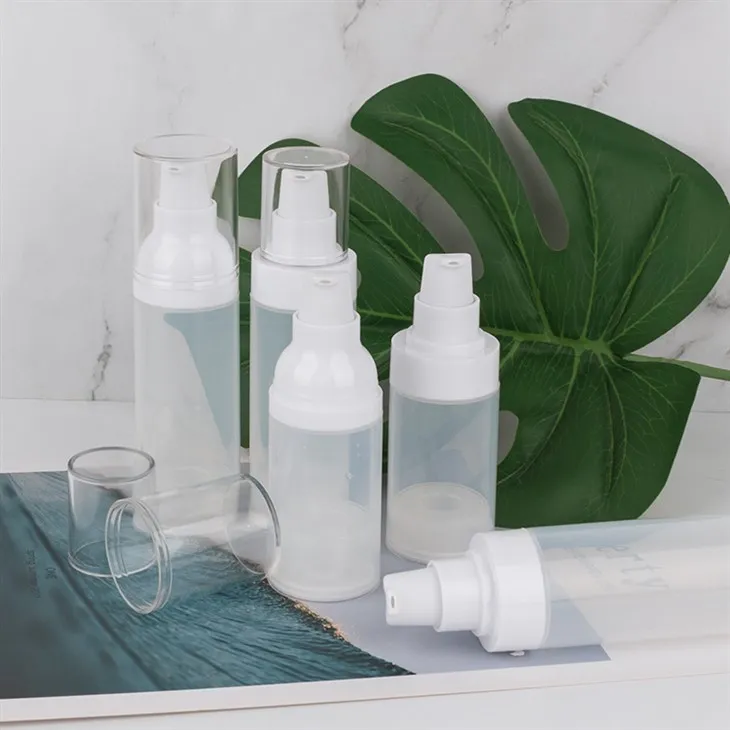

- Transparency: For clear plastic containers, high - quality products will have excellent transparency. There should be no visible haze, streaks, or bubbles. If the container is supposed to be tinted, the color should be evenly distributed. You can hold the container up to the light to check for any imperfections in the transparency.
- Surface Finish: The surface of the plastic should be smooth and free of scratches, dents, or other blemishes. A good - quality container will have a professional - looking finish, which not only enhances its aesthetic appeal but also indicates that it has been manufactured using proper processes.
- Label Adhesion: If the container has a label, the label should adhere well to the surface. It should not peel off easily, even when exposed to normal environmental conditions. You can try gently rubbing the label with your finger to see if it starts to lift.
Compatibility with Contents
A high - quality plastic jar or bottle should be compatible with the contents it is intended to hold.
- Chemical Resistance: Different substances can react with plastics in different ways. For example, strong solvents or acidic substances may cause the plastic to degrade over time. If you are storing chemicals or substances with specific chemical properties, make sure the plastic container is resistant to those chemicals. You can consult the manufacturer's specifications or conduct compatibility tests.
- Moisture and Oxygen Barrier: For products that are sensitive to moisture or oxygen, such as food and some cosmetics, the plastic container should have good barrier properties. A container with a high - quality barrier will help keep the contents fresh for a longer period. You can look for containers that are specifically designed to have low permeability to moisture and oxygen.
Industry Standards and Certifications
Reputable plastic jar and bottle manufacturers will comply with relevant industry standards and may have certifications to prove the quality of their products.
- ISO Standards: The International Organization for Standardization (ISO) has standards related to plastic products, such as ISO 9001 for quality management systems. A manufacturer that is ISO 9001 certified is more likely to produce high - quality products because they follow strict quality control processes.
- FDA Approval: If the plastic container is intended for food or pharmaceutical use, it should have Food and Drug Administration (FDA) approval. This indicates that the plastic material is safe for contact with these types of products.
As a supplier, we offer a wide range of high - quality plastic jars and bottles, including Aesthetic Plastic Bottles, Plastic Containers for Beauty Products, and Airless Plastic Bottle. All our products are carefully manufactured to meet the highest quality standards.
If you are interested in purchasing plastic jars and bottles for your business, we encourage you to contact us for further discussions. We can provide samples for you to test and ensure that our products meet your specific requirements.
References
- ASTM International. (Year). Standards related to plastics.
- ISO. (Year). ISO standards for plastic products.
- Food and Drug Administration (FDA). (Year). Regulations on plastic materials for food and pharmaceutical use.