

As a supplier of Frosted Pump Bottles, I often receive inquiries from customers about the compatibility of essential oils with these bottles. This is a crucial question, especially considering the unique properties of essential oils and the characteristics of frosted pump bottles. In this blog post, I'll explore whether it's advisable to put essential oils in a frosted pump bottle, discussing the pros, cons, and key considerations.
Understanding Essential Oils
Essential oils are highly concentrated plant extracts that capture the natural fragrance and therapeutic properties of plants. They are widely used in aromatherapy, skincare, and home fragrance products. These oils are known for their volatility, which means they can evaporate quickly, and their chemical composition can vary greatly depending on the plant source. Some essential oils are relatively stable, while others are more reactive and can be affected by factors such as light, heat, and air exposure.
Characteristics of Frosted Pump Bottles
Frosted pump bottles are made of glass or plastic and have a frosted finish that gives them an elegant and sophisticated look. The frosted surface can help to protect the contents from light, which is beneficial for essential oils that are sensitive to UV rays. The pump dispenser allows for easy and controlled dispensing of the oil, reducing the risk of spillage and waste.
Advantages of Using Frosted Pump Bottles for Essential Oils
- Light Protection: As mentioned earlier, the frosted finish on the bottle can provide some protection against light. Many essential oils are photosensitive, meaning they can break down or change their chemical composition when exposed to light. By using a frosted pump bottle, you can help to preserve the quality and efficacy of the essential oils for a longer period.
- Easy Dispensing: The pump dispenser on the bottle makes it convenient to use the essential oils. You can simply press the pump to dispense the desired amount of oil, which is especially useful when you need to add a small amount of oil to a diffuser, skincare product, or other mixture.
- Aesthetic Appeal: Frosted pump bottles have a beautiful and elegant appearance that can enhance the presentation of your essential oil products. They are often used in high-end skincare and aromatherapy products, making them a popular choice for businesses and consumers alike.
Disadvantages of Using Frosted Pump Bottles for Essential Oils
- Chemical Compatibility: Not all essential oils are compatible with the materials used in frosted pump bottles. Some essential oils, such as citrus oils, can be corrosive and may react with certain plastics or rubber components in the pump dispenser. This can lead to the degradation of the bottle or the contamination of the essential oil.
- Evaporation: Despite the frosted finish, essential oils can still evaporate over time, especially if the bottle is not properly sealed. The pump dispenser may also allow some air to enter the bottle, which can accelerate the evaporation process.
- Cost: Frosted pump bottles are generally more expensive than other types of bottles, such as clear glass or plastic bottles. This can increase the cost of your essential oil products, which may be a consideration for some businesses or consumers.
Key Considerations When Using Frosted Pump Bottles for Essential Oils
- Material Compatibility: Before using a frosted pump bottle for essential oils, it's important to check the compatibility of the essential oil with the materials used in the bottle. If you're using a plastic bottle, make sure it's made of a material that is resistant to the corrosive effects of essential oils, such as high-density polyethylene (HDPE) or polypropylene (PP). If you're using a glass bottle, make sure the pump dispenser is made of a material that is compatible with essential oils, such as stainless steel or glass.
- Sealing: To prevent evaporation and contamination, it's important to make sure the bottle is properly sealed. Make sure the pump dispenser is tightly screwed onto the bottle and that there are no gaps or leaks. You may also want to consider using a bottle with a tamper-evident seal to ensure the integrity of the product.
- Storage: To preserve the quality and efficacy of the essential oils, it's important to store them in a cool, dark place. Avoid exposing the bottles to direct sunlight or heat, as this can cause the essential oils to break down or change their chemical composition.
Types of Frosted Pump Bottles Suitable for Essential Oils
- White Frosted Glass Bottles: These bottles are made of high-quality glass and have a beautiful white frosted finish. They are ideal for storing essential oils and other high-end products.
- 30ml Frosted Glass Dropper Bottles: These bottles are a popular choice for storing small amounts of essential oils. They have a dropper dispenser that allows for precise dispensing of the oil.
- Frosted Serum Bottle: These bottles are designed specifically for storing serums and other liquid products. They have a pump dispenser that allows for easy and controlled dispensing of the product.
Conclusion
In conclusion, it is generally safe to put essential oils in a frosted pump bottle, provided that you take the necessary precautions to ensure compatibility and proper storage. Frosted pump bottles offer several advantages, such as light protection, easy dispensing, and aesthetic appeal, but they also have some disadvantages, such as chemical compatibility issues and evaporation. By choosing the right type of bottle and following the key considerations outlined in this blog post, you can ensure that your essential oils are stored safely and effectively.
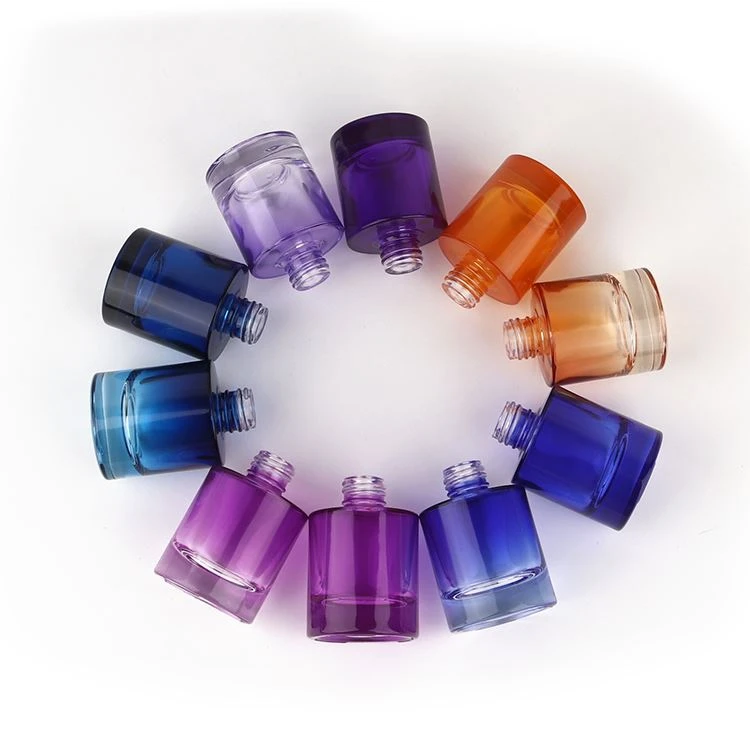

If you're interested in purchasing frosted pump bottles for your essential oil products, please feel free to contact us for more information. We offer a wide range of frosted pump bottles in different sizes and styles to meet your specific needs. Our team of experts can also provide you with guidance on choosing the right bottle for your essential oils and help you ensure that your products are stored safely and effectively.
References
- Tisserand, R., & Young, R. (2014). Essential Oil Safety: A Guide for Health Care Professionals. Churchill Livingstone.
- Battaglia, S. (2003). The Complete Guide to Aromatherapy. The Perfect Potion.